
pos machine
Why Every Medical Practice Needs a POS Machine
Running a medical practice is not just about treating patients — it’s also about maintaining healthy cash flow, reducing financial risk, and improving operational efficiency.
A POS (Point of Sale) machine helps doctors solve major payment and cashflow problems instantly.
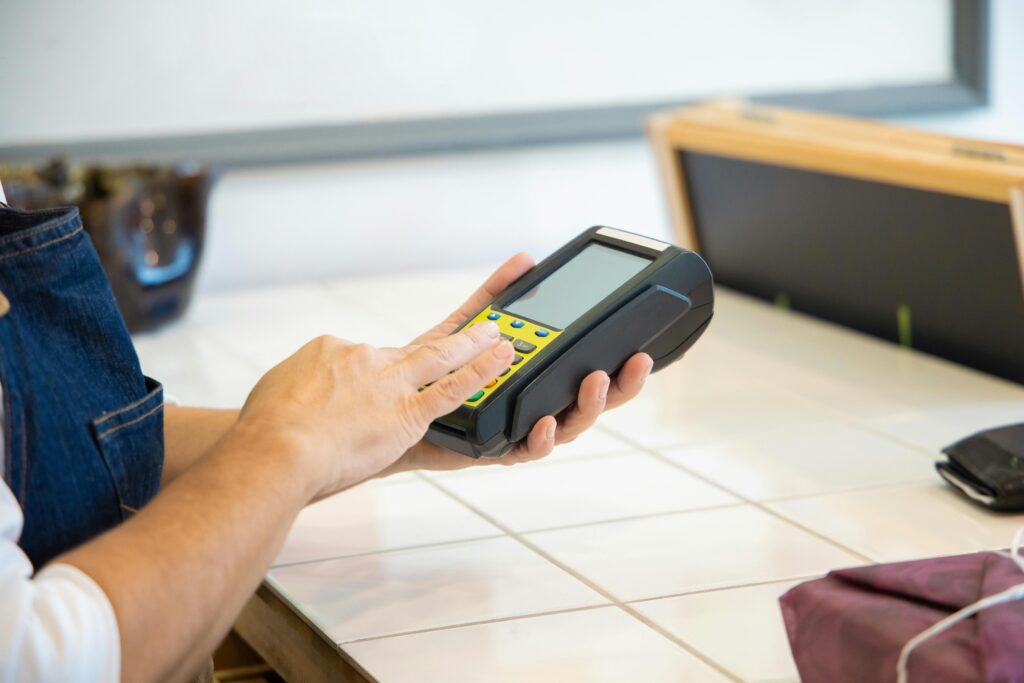
Why Every Medical Practice Needs a POS Machine
Running a medical practice is not just about treating patients — it’s also about maintaining healthy cash flow, reducing financial risk, and improving operational efficiency.
A POS (Point of Sale) machine helps doctors solve major payment and cashflow problems instantly.
1. Immediate Payments = Better Cashflow
Medical aids often take days or even weeks to pay claims.
Without a POS machine:
Doctors wait for medical aid payouts
Cashflow becomes unpredictable
Practice expenses continue regardless
With a POS machine:
Patients can pay immediately
Doctors receive funds faster
Shortfalls are collected on the spot
This reduces cashflow pressure and improves financial stability.
2. Collecting Medical Aid Shortfalls Instantly
Medical aids do not always pay 100% of consultation fees.
Common problems:
Co-payments
Deductibles
Benefit limits reached
Non-covered procedures
A POS machine allows reception staff to collect the outstanding balance immediately before the patient leaves the practice.
No chasing payments later.
3. Reduced Risk of Cash Handling
Handling cash increases risk:
Theft
Counting errors
Lost money
Fraud
Card payments through providers like Yoco, iKhokha, or bank terminals from Standard Bank reduce these risks significantly.
Digital payments create a clear transaction record for every consultation.
4. Professional Image & Patient Convenience
Today’s patients expect card payments.
A practice without card facilities may appear:
Outdated
Inconvenient
Unprofessional
POS machines allow:
Tap-to-pay
Debit & credit cards
Fast checkout experience
Convenience improves patient satisfaction.
5. Faster Check-Out Process
Manual EFT payments:
Require proof of payment
Cause delays
Create admin work
POS payments:
Are instant
Automatically confirmed
Reduce admin workload
This means shorter queues and smoother operations.
6. Better Financial Tracking & Reporting
POS systems provide:
Daily sales reports
Transaction history
Easier reconciliation
Simplified accounting
This helps doctors:
Track revenue accurately
Prepare tax reports easily
Identify financial trends
The Real Problem a POS Machine Solves for Doctors
Without a POS system, practices struggle with:
Delayed payments
Outstanding balances
Manual follow-ups
Cash handling risk
Medical aid dependency
Poor financial visibility
A POS machine solves these problems by ensuring doctors are paid quickly, securely, and professionally.
Is a POS Machine Enough?
While POS machines solve immediate payment issues, they do not solve:
Recurring unpaid balances
Chronic non-paying patients
Long medical aid delays
Automated collections
That is where integrated payment systems and debit order solutions become powerful.